Islamabad
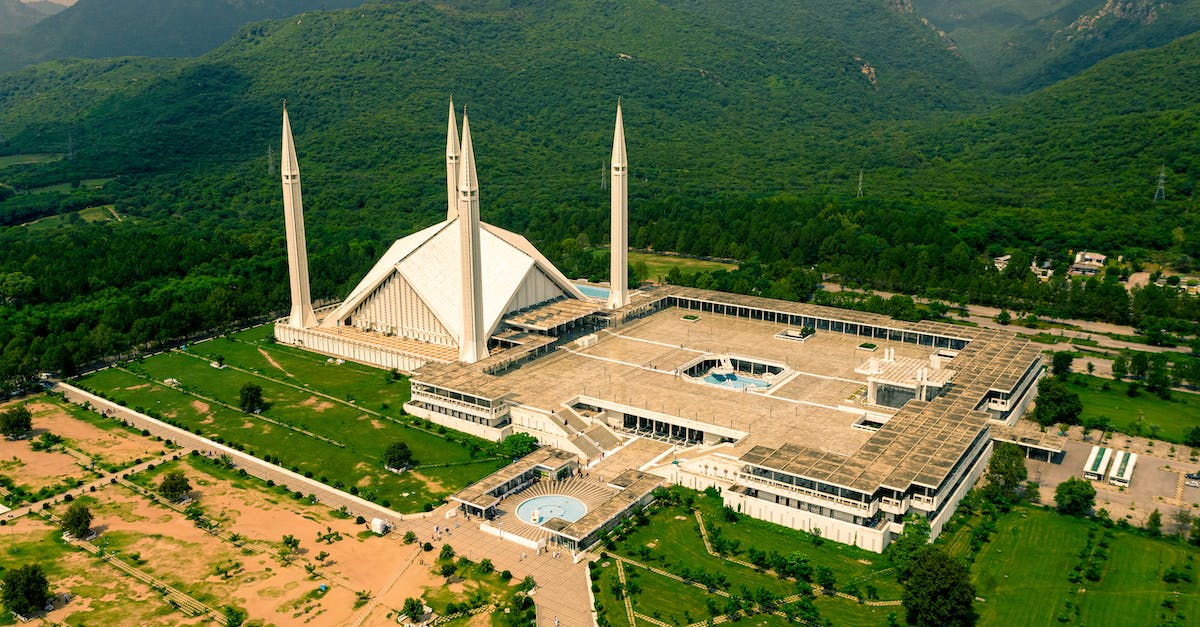
 Photo by Wasif Mehmood on pexels
The Geographical and Cultural Landscape of Islamabad
Islamabad, the capital city of Pakistan, is located on the Potwar Plateau in the northeast of the country, adjacent to the city of Rawalpindi. Constructed as a purpose-built capital in the 1960s, the development and architecture of Islamabad were carefully planned and executed by a team of renowned architects and town planners. The city's design incorporated the requirements and patterns of the Commission on Town Planning, with prominent names such as Edward Durell Stone and Gio Ponti contributing to its construction. Islamabad is divided into different phases and portions, each catering to specific needs and functions. The city houses numerous institutions, including Allama Iqbal Open University, the National Assembly building, and various government staff housing areas. The city's notable landmarks include the Faisal Mosque, which is one of the largest mosques in Asia, and the President's House. Surrounded by the picturesque Margalla Hills, Islamabad offers a blend of natural beauty and modern development. Its elevated location provides breathtaking views and ample green spaces, including the Fatima Jinnah Park and the Shakarparian Park. The city's nearby villages have thriving dairy, poultry, and vegetable farms, creating a balance between urban and rural zones. With its serene and peaceful ambiance, Islamabad truly reflects the ideology of Pakistan as a country of peace and Islam.
Exploring the Landmarks and Monuments of Islamabad
Islamabad, the capital city of Pakistan, is home to some of the most iconic landmarks and monuments in the country. With its beautiful plains and peaceful ambiance, the city is a delightful destination for both locals and tourists. Some of the famous names that come to mind when exploring Islamabad include the Shah Faisal Mosque, Pakistan Monument, and Lok Virsa Museum. The city boasts a variety of architectural styles, with buildings lining its streets that showcase the rich heritage and cultural diversity of Pakistan. The lush gardens and parks in Islamabad provide a serene escape from the hustle and bustle of city life, offering a perfect spot for relaxation and recreation. Exploring these landmarks is a must-do activity for visitors to Islamabad.
One of the notable landmarks in Islamabad is the International Islamic University, recognized for its exceptional academic reputation. This prestigious institution attracts students from all over the world and offers a wide range of educational opportunities. With its mission to promote peace, understanding, and human rights, the university serves as a platform for intellectual exchanges and discussions on a variety of topics. Moreover, Islamabad is home to various diplomatic missions, including the U.S. Embassy and consulates, which play a crucial role in strengthening ties and relations between the two countries. These embassies are engaged in a range of activities, from public affairs and information sharing to issues such as terrorism, trade, investment, and nonproliferation. With its wealth of institutions and opportunities, Islamabad is truly a city that represents the ideals of peace, stability, and development.
Climate and Geography: The Natural Attributes of the City
Islamabad, the capital city of Pakistan, is located in the country's northern region. Situated in the Islamabad Capital Territory, the city is surrounded by beautiful landscapes, including the majestic Margalla Hills. The city is known for its planned architecture and orderly sectors, following a grid plan designed by Greek architects. One of the most iconic landmarks in Islamabad is the Faisal Mosque, one of the largest mosques in the world. Additionally, the city is home to several universities, including Allama Iqbal Open University, COMSATS University, and Bahria University. With a population of over one million people, Islamabad is a vibrant and diverse community, with a mix of different ethnicities and cultures.
The climate in Islamabad is characterized by four distinct seasons. Summers are hot and dry, with temperatures often reaching 40 degrees Celsius. Winters, on the other hand, are cold and sometimes bring snowfall to the city. Spring and autumn are the most pleasant seasons, with mild temperatures and blooming flowers in the parks and gardens. The city is known for its greenery, with numerous parks and recreation areas for residents and visitors to enjoy. Notable parks in Islamabad include Fatima Jinnah Park, Shakarparian Park, and Daman-e-Koh. The city also boasts a number of historical and archaeological sites, such as Golra Sharif, Saidpur Village, and the Lok Virsa Museum, offering visitors a glimpse into the rich history and culture of the region.
Insights into the Sociopolitical Scene in Islamabad
Islamabad, the capital of Pakistan, is a city that reflects a unique blend of modernity and tradition. As a planned city, Islamabad is known for its well-designed infrastructure and breathtaking landscapes. The city's strategic location on the Potohar Plateau has made it an ideal choice for the construction of government buildings and diplomatic missions. Besides being the administrative hub, Islamabad is also home to a vibrant cultural scene. The city boasts several museums, including the Lok Virsa Museum and the Pakistan Museum of Natural History. Landmarks like the Pharwala Fort and the Faisal Mosque add to the city's heritage. Islamabad is also a primary center for business interests and political intervention. With prestigious educational institutions like the Muhammad Ali Jinnah University and the Quaid-i-Azam University, the city is a hub for research and academic development work. The literacy rate in Islamabad is higher than the national average, making it a center for education and knowledge. The city is also known for its greenery, with numerous parks, forests, and gardens spread across its landscape. The cost of living in Islamabad is relatively affordable compared to other major cities. With its rich history and cultural heritage, Islamabad has emerged as a symbol of progress and democracy in Pakistan.
Role and Influence of the Prime Minister in Islamabad
The Prime Minister plays a crucial role in governing Islamabad, the capital city of Pakistan. As the head of the country, their influence extends to shaping the city's policies, infrastructure, and development. The Prime Minister's office is located in the heart of Islamabad, in the Islamabad Secretariat. This area houses several government offices and ministries, facilitating effective coordination and decision-making. The Prime Minister's emphasis on cleanliness and maintenance can be seen in initiatives like the "Clean and Green" campaign, which aims to keep the city clean and promote environmental sustainability. The government has also taken steps to enhance security in Islamabad, with the installation of CCTV cameras and the establishment of Gamma Commandos, a specialized security force. With the Prime Minister's leadership, Islamabad continues to grow and thrive as a hub of political and administrative activities.
The Prime Minister's influence in Islamabad can also be seen in the city's cultural landscape. The Lok Virsa Museum, located in the Shakarparian Hills, showcases the rich heritage of Pakistan, with artefacts dating back to prehistoric times. The museum's exhibits include pottery, ancient coins, and even evidence of human skulls from the Indus Valley Civilization. The Prime Minister's efforts to preserve and promote the country's cultural heritage are evident in initiatives like the restoration of ancient temples, such as the historic Rawal Dam temple. Furthermore, the Prime Minister's support for the arts and literature can be seen in the numerous literary festivals and poetry recitals held in the city. Islamabad's thriving cultural scene reflects the Prime Minister's commitment to preserving the country's history and fostering artistic endeavours.
A Review of Major Elections and Political Undertakings
Islamabad has witnessed several major elections and political undertakings over the years. The city, known for its beautiful landscapes and iconic landmarks, has played host to numerous election campaigns and rallies. The Margalla Hills National Park, spread over an area of 17,386 hectares, has often been the preferred venue for political gatherings, attracting large populations of Islamabadi residents.
The city's political significance is further highlighted by the presence of the Secretariat Complex, which houses the offices of various government ministries and departments. The complex serves as the nerve center for political decision-making and policy implementation in Islamabad. The venue has also been the site for important political events, such as the annual Urs celebration at the Lok Virsa Museum and the National Book Fair.
In addition to these political undertakings, Islamabad has also witnessed the emergence of influential political figures. Notable politicians, such as Nawaz Memon, Abdul Ghafoor, and Muhammad Ismail Zabeeh, have played pivotal roles in shaping the city's political landscape. The historical significance of the region, with its association with Mughal emperors like Zahiruddin Babur and Ahmad Shah Durrani, adds to the rich tapestry of political history in Islamabad.
With its strategic location in the north of Pakistan, Islamabad serves as a political hub for the country. It is situated in the northeast of the Punjab province and borders the northwest region. The city is divided into different administrative districts, each with its own unique political dynamics. The political temperature in the city is also influenced by the varying climatic conditions, with distinct seasons and rainfall patterns.
As part of its political infrastructure, Islamabad boasts several landmark institutions, including the Jinnah Convention Centre and the Centaurus Complex. These venues have become synonymous with political events, hosting conferences, seminars, and political meetings. The city's shopping centers, such as F-7 Markaz and Blue Area, also witness significant political activity, with party workers and supporters gathering to rally behind their respective leaders.
The city's political scene has also been shaped by the high percentage of educated individuals, with 19% of the population having completed higher education. This educated labour force has played a crucial role in shaping political discourse and participating in political activities. The presence of higher education institutes, such as Quaid-i-Azam University and the Pakistan Institute of Medical Sciences, further contributes to the city's intellectual and political landscape.
In conclusion, Islamabad's political landscape is characterized by major elections, political campaigns, and the presence of influential political figures. The city's geographical location and unique cultural blend, coupled with its landmark institutions and educated population, make it a key player in Pakistan's political arena. From iconic tourist attractions to important administrative centers, Islamabad captures the essence of political activity in the country.
A Comprehensive Overview of the Security Scenario in Islamabad
The security scenario in Islamabad is a crucial aspect of the city's overall functioning and development. With a low unemployment rate and a well-connected system of communications, Islamabad stands as a prominent hub for various regions. The presence of competent commanders and the vigilance of security forces ensure a safe environment for residents and visitors alike. Furthermore, institutions like the Higher Education Commission contribute to the city's security by promoting education and research in fields such as information technology and space technology. Additionally, initiatives like the development of sports complexes like the squash complex and the town park provide recreational outlets for the community. While Islamabad has not been immune to terrorist incidents, the city has shown resilience in quickly responding to these challenges. For example, the damage caused by the earthquake in 2005 was promptly addressed, and security measures were reinforced to prevent any further threats. The city's commitment to security and its strategic planning make it an example for other cities to follow.
Security Measures and Challenges in Islamabad
Security measures in Islamabad are of utmost importance due to the city's significance as the capital of Pakistan. The city has implemented various measures to ensure the safety and well-being of its residents and visitors. This includes the deployment of security personnel, surveillance cameras, and checkpoints at key locations across Islamabad. Additionally, the city has also implemented a comprehensive emergency response system to handle any potential threats or emergencies. Despite these measures, Islamabad faces unique security challenges due to its diverse population and the presence of diplomatic missions, which require constant cooperation and coordination among different law enforcement agencies.
One of the primary challenges in ensuring security in Islamabad is the constant threat of terrorism. The city has experienced several high-profile terrorist attacks in the past, making it crucial for security forces to remain vigilant and proactive in their efforts. Another challenge is the increasing rate of cybercrime, which poses a threat to the city's digital infrastructure and personal data security. The authorities in Islamabad are working to enhance their cybersecurity capabilities and raise awareness among the public about the importance of online safety.
Note: The provided content is a sample and does not represent the complete article.
Case Studies: Assault and Counterassault Scenarios in the City
Islamabad has experienced a few assault and counterassault scenarios, according to reports from the Ministry of Tourism in the city. These incidents have highlighted the need for enhanced security measures to protect both residents and visitors. In one particular incident, a group of individuals started an altercation near the iconic Pakistan Monument, a 4-star tower-like structure that represents the country's traditions and heritage. Another case involved a clash between two groups at a popular dome structure in the city, known for its cultural traditions. These incidents serve as a reminder of the diverse demographics of Islamabad, with commuters from various backgrounds, as evident from the recent census results. Additionally, the city's healthcare facilities, such as the Coronary Care Unit and Intensive Care Unit, play a crucial role in ensuring the health and safety of residents and visitors alike. The Metrobus network and taxi services also contribute to the efficient transportation system in the city. Despite these occasional security incidents, Islamabad continues to attract foreigners and has a thriving software industry sub-sector. The city's plans for sports venues, such as football fields and rock climbing spots, demonstrate its commitment to providing recreational activities for residents and tourists. The real estate turnover in the city is also a significant contributor to its economy, with arts and engineering institutes further elevating Islamabad's status as a cultural and educational hub in the region.
The Justice System in Islamabad
The justice system in Islamabad is a vital component of the city's governance and ensures the fair and equitable administration of law. Islamabad boasts a number of high-profile arrests and police actions, highlighting the city's commitment to maintaining law and order. Trials, convictions, and controversies surrounding the justice system in Islamabad also play a significant role in shaping public perception and maintaining the rule of law. Additionally, the system functions through a hierarchy of courts and legal bodies, ensuring the smooth functioning of the legal process. Furthermore, the city is home to several nursing schools, medical colleges, and hospitals, providing essential healthcare services to the residents of Islamabad and its surrounding areas. In addition to the justice system, the healthcare sector plays a crucial role in promoting the well-being of the population.
HighProfile Arrests and Police Action in the City
High-profile arrests and police action in Islamabad have been a significant part of the city's law and order management. The Islamabad Police, along with other law enforcement agencies such as the Pakistan Army and the Intelligence Bureau, have played a crucial role in maintaining peace and security. The city's central agency responsible for law and order is the Islamabad Capital Territory Police, which operates under the command of the Islamabad Capital Territory Administration. The police personnel are trained in the Islamabad Police Training Academy, where they undergo rigorous training to handle various situations, including emergency response and crisis management. The police force works diligently to ensure the safety and protection of the residents and visitors in Islamabad and to maintain law and order in the city.
One of the notable incidents in Islamabad's history was the arrest of Sultan Sarang Khan, a high-profile bachelor who was involved in a murder case. The Islamabad Police, along with the city's executive committee, conducted a thorough investigation and successfully apprehended Khan, bringing justice to the victim's family. This incident showcased the efficient functioning of the law enforcement agencies and their commitment to maintaining law and order in Islamabad. The arrest of high-profile individuals involved in criminal activities demonstrates the city's zero-tolerance approach towards crimes and its dedication to ensuring the safety and security of its residents.
Trials, Convictions, and Controversies Surrounding the Justice System
Trials, convictions, and controversies surrounding the justice system in Islamabad have garnered significant attention in recent years. The city, known for its diverse demographics and growing population, has witnessed a range of legal cases that have shaped public discourse. From high-profile trials involving political figures to controversies surrounding the effectiveness of the justice system, Islamabad's legal landscape is a subject of constant debate. Some notable cases include the Air Cargo scandal, the Saddar Phase III housing society controversy, and the e-ticketing scam. These trials and convictions have shed light on the challenges faced by the justice system in Islamabad and have prompted calls for reform and improvement.
One of the major controversies surrounding the justice system in Islamabad is the issue of traffic violations and road accidents. The city, with its increasing traffic volume and diverse transportation options such as Uber, Swvl, and Bykea, has witnessed a rise in road accidents and traffic violations. Moreover, the lack of proper enforcement and monitoring has also resulted in controversies surrounding the issuance of traffic tickets and fines. The Aabpara traffic police station and the traffic police in F-6 Markaz have been criticized for their handling of traffic-related cases. These controversies highlight the need for improved traffic management and stricter enforcement of traffic rules in Islamabad.
Life in Islamabad: People and Lifestyle
Islamabad, the capital city of Pakistan, is a vibrant and diverse metropolis that offers a unique blend of modernity and tradition. The people of Islamabad represent a diverse range of backgrounds, with individuals from all walks of life contributing to the city's rich cultural fabric. The lifestyle in Islamabad is characterized by a strong emphasis on education and healthcare, with numerous schools, colleges, and universities catering to the educational needs of its residents. The city also boasts excellent healthcare facilities, including prestigious institutions like Shifa International Hospital. The people of Islamabad enjoy a high standard of living, with access to modern amenities such as shopping malls, recreational centers, and a well-developed transport network. The city's cosmopolitan nature is reflected in its diverse culinary scene, with a wide range of international and local cuisines available. The residents of Islamabad also take pride in their city's natural beauty, with picturesque spots like Lakshman Kunda and the serene blue lines of the Himalayas offering a perfect escape from the bustling city life.
Analyzing the Population Demographics of Islamabad
Islamabad, the capital city of Pakistan, is a diverse and vibrant metropolis. With a population of approximately 2 million people, Islamabad is divided into 50 union councils. According to a report by The Tribune newspaper, the city's population has been growing steadily over the years. From being a planned city in the 1960s, Islamabad has now become a cosmopolitan hub with various ethnicities and cultures coexisting. The city's population demographics have been shaped by factors such as the presence of universities and government institutions, as well as the influx of people from different parts of Pakistan.
One notable aspect of Islamabad's population demographics is the significant number of expatriates residing in the city. According to the research article "Islamabad, Pakistan: The Encounter of Urban Planning with Natural Setting" by Stanley D. Brunn and Matthew S. Wilt, the city attracts a considerable number of foreigners due to its status as the capital and the presence of diplomatic missions. This diverse population contributes to the cultural exchange and enriches the city's social fabric. Furthermore, the article highlights the city's economic outlook and revenue targets, which play a crucial role in attracting a diverse range of residents, including professionals and entrepreneurs from different parts of the world.
Overall, the population demographics of Islamabad reflect its status as a cosmopolitan and multicultural city. The city's diverse residents, including both local Pakistanis and expatriates, contribute to its rich social fabric and dynamic atmosphere. The growth and development of Islamabad's population have been impacted by various factors, such as education, employment opportunities, economic development, and the attraction of foreigners. Understanding the population demographics is essential for policymakers and researchers to plan for the city's development and ensure the well-being and satisfaction of its residents.
Notable Individuals and People in the City
Islamabad, the capital city of Pakistan, is home to many notable individuals from various fields. In the category of education, Islamabad boasts a number of top-ranked universities, including Quaid-i-Azam University, which is consistently ranked among the best in the country. Maintaining a strong network of educational institutions in the city is an important aspect of Islamabad's society and contributes to the intellectual and academic bloom of the city. According to the Encyclopedia of Geography by Oxford University Press, M. Hanif Raza, an Indonesian journalist from Beritasatu.com, has highlighted the extent of progress and prosperity in Islamabad. Additionally, the city is known for its rich cultural and artistic heritage, with renowned figures in the art world such as Sadia Khan and Paul Jogi making significant contributions to the art scene in Islamabad.
The Role of Religion in Islamabad’s Society
Islamabad, the capital city of Pakistan, is known for its strong religious presence and the role that religion plays in shaping the society. The city, located in the foothills of the Margalla Range, is a diverse mix of people from all regions of the country. With its numerous mosques, shrines, and places of worship, religion is deeply ingrained in the daily lives of the citizens of Islamabad. The city is home to notable religious landmarks such as the Faisal Mosque, the largest mosque in South Asia, and the Golra Sharif Shrine. These places serve as important centers for prayer, reflection, and spiritual guidance. The religious influence in Islamabad is evident in the architecture, culture, and the way of life of its people, making it an integral part of the city's identity.
The Significance of Mosques, Shrines, and Prayers in the City
Mosques, shrines, and prayers hold immense significance in the city of Islamabad. As the capital of Pakistan, Islamabad is home to a diverse range of religious sites that play a vital role in the daily lives of its residents. From the iconic Faisal Mosque, one of the largest mosques in the world, to the historic Shah Faisal Shrine, these places of worship provide a spiritual refuge for people from all walks of life. The city planners have strategically integrated these sacred landmarks within the fabric of Islamabad, creating a harmonious blend of modernity and tradition. The serene Margalla Hills, which surround the city, offer breathtaking views from the terraces of mosques and shrines, creating an atmosphere of tranquility where prayers and reflection can take place.
Prayers in mosques and shrines are not only a religious practice, but they also serve as a way for the community to come together and connect with one another. In Islamabad, mosques and shrines are not limited to religious activities alone. These places often act as community centers, hosting events and gatherings that foster a sense of unity and solidarity among the residents. Moreover, mosques and shrines in Islamabad are not just confined to one particular area. They can be found in various parts of the city, from the bustling commercial areas to the quiet housing complexes. This accessibility ensures that people from all corners of Islamabad have the opportunity to participate in prayers and experience the spiritual ambiance offered by these sacred sites.
Note: The paragraphs provide an overview of the significance of mosques, shrines, and prayers in Islamabad, highlighting their role as spiritual sanctuaries and community centers. The incorporation of keywords related to Islamabad's geography, culture, and religious heritage helps to create a comprehensive picture of the topic.
Islamic Culture and Its Influence on the People of Islamabad
Islamabad, the capital city of Pakistan, is a place where Islamic culture holds immense significance and influences the lives of its people in various ways. The city is divided into different sectors, each with its own boundary and sector scheme for residential and commercial purposes. Islamabad's accommodation options range from modern high-rise buildings to traditional dwellings, reflecting a mix of contemporary and traditional Islamic architectural styles. The city is home to various Islamic artifacts, including crude stones and ancient relics, which can be seen in museums and archaeological sites. The impressive atmosphere created by these artifacts and the presence of historical sites like the Taxila stupa serve as reminders of the rich Islamic civilization that once thrived in the region.
Furthermore, the Islamic influence can be felt in the cuisine and the overall dining experience offered in Islamabad. The city boasts a wide range of restaurants that cater to different tastes and preferences. From local street food stalls to high-end dining establishments, Islamabad has it all. The food culture also reflects the Islamic values of hospitality and generosity, with many restaurants offering traditional dishes and specialties. The popular Green Line service, a bus corridor connecting Islamabad with Murree, ensures smooth transportation for tourists and locals alike, allowing them to explore the city and its surroundings conveniently.
In addition to Islamic traditions, the city of Islamabad has embraced the Urdu language as its official language. The arrival area of the city is adorned with signboards and banners displaying both English and Urdu alphabets. The locals take pride in their language and make efforts to preserve and promote it. The reputation of Islamabad as an educational hub has led to an improvement in the Urdu language's study and review. Various schools and institutes in the city emphasize Urdu literature and its significance in Pakistan's cultural and literary landscape. Moreover, Islamabad's government affairs and army headquarters require a strong emphasis on Urdu due to the language's importance in logistics and defense operations.
The Islamic culture in Islamabad has also made its mark on the city's commercial and entertainment scene. The city's shopping centers and malls feature a mix of local and international brands, offering a range of products from clothing to electronics. Islamabad's Constitution Avenue, in particular, is known for its upscale shops and boutiques selling traditional items like pashmina shawls and handicrafts. The city also offers a variety of entertainment options, including cinemas, theaters, and recreational parks like Shakarparian Park, where locals and tourists can relax and indulge in cultural activities. Newspapers and newsstands are scattered throughout the city, providing residents with easy access to information and current affairs.
Islamabad, with its rich Islamic culture and diverse influences, continues to shape the lives of its people in numerous ways. From its architectural marvels to its culinary delights, the city offers a unique blend of tradition and modernity. The Islamic heritage, combined with the city's focus on education, arts, and commerce, contributes to Islamabad's reputation as a cultural and intellectual center. Whether it's exploring the ancient relics or enjoying a cup of coffee in a cozy café, Islamabad offers a plethora of experiences for both locals and visitors alike.
The Economic Aspect of Islamabad
Islamabad, the capital city of Pakistan, holds great economic significance in the country. The city boasts a vibrant market scene, with various markets and markazes scattered across its different sectors. Key markets such as G9 Markaz, G6 Markaz (aka Jinnah Market), F7 Markaz, Khosar Market, and F6 Super Market offer a wide range of shops, selling everything from books to clothing and electronics. Visitors can also indulge in delectable food at the famous food areas like F10 Markaz, Jehangir Market, Centre Market, and I8 Markaz. Islamabad's economic activity extends beyond its markets, with the presence of major companies and organizations adding to its growth. Additionally, the city is well-connected with other regions through an airport and a railway station, facilitating trade and commerce. With its plethora of economic opportunities, Islamabad continues to attract investors and businesses from all over South Asia.
Economic Development and Major Sectors in the City
Economic development in Islamabad has been steadily growing, with major sectors contributing to the city's progress. The transportation sector plays a vital role, with trains and cars being the primary modes of travel for both residents and tourists. The abundance of skilled drivers and car hire companies ensure convenient transportation options. Additionally, Islamabad boasts a rich cultural heritage, with renowned sister restaurants such as the BBQ Restaurant and Cave Restaurant that offer a unique blend of local and international cuisines. The city is also home to a collection of galleries, including the Konstantinos Apostolos Doxiadis Art Gallery, which showcases the works of both local and international artists. Furthermore, the presence of airlines offices, such as Uzbekistan Airways, facilitates air travel to various destinations, opening up avenues for business and tourism alike.
Major sectors in Islamabad contribute significantly to the city's economic growth. In terms of commerce, the World Trade Centre and various shopping centres cater to a diverse range of consumer needs. The construction industry thrives, with ongoing development work in different parts of the city. Islamabad's strategic location, nestled in the foothills of the Himalayas, offers breathtaking natural landscapes and attracts tourists and investors alike. With the majority of travel being by car or taxi, car hire companies and taxi services play a crucial role in facilitating movement across the city. Additionally, the presence of religious shrines, such as the Faisal Mosque and other historical mosques, allows visitors to experience the local culture and spirituality. The city also offers a variety of recreational activities, from exploring traditional crafts and woodwork in local markets to enjoying the scenic beauty of the Margalla Hills and nearby valleys.
Traders, Businesses, and the Influence of the Economy on the City's Growth
Traders and businesses in Islamabad play a crucial role in shaping the city's economy and contributing to its growth. With a wide range of industries and sectors, Islamabad offers ample opportunities for entrepreneurs and investors to thrive. From local grocery stores to multinational corporations, the city's business landscape is diverse and dynamic.
One popular destination for both locals and tourists is the bustling F-10 market, known for its vibrant food scene. From traditional Pakistani tikka houses to international chains like Pizza Hut and Olive Garden, there is something to satisfy every palate. Additionally, services like Careem have made it convenient for residents and visitors to explore the city and reach their desired place of interest. Whether it's a school trip, a visit to the diplomatic enclave, or a leisurely evening at a cafe, traders and businesses in Islamabad are at the forefront of enhancing the city's economic growth.
The influence of the economy on Islamabad's growth is evident in the emergence of modern shopping malls. These malls not only cater to the shopping needs of the city's residents but also attract visitors from neighboring areas. Centaurus Mall, for instance, is one of the largest shopping malls in Islamabad. It offers a diverse range of local and international brands, making it a popular destination for both shopping and entertainment. The mall's spacious layout, well-designed architecture, and a variety of food places make it an ideal spot for leisurely outings with friends and family. Traders and businesses in these malls contribute significantly to the city's economic growth, creating job opportunities and attracting investments.
Transport and Communication in Islamabad
Transport and communication facilities in Islamabad are well-developed, making it convenient for both residents and tourists to navigate the city. The city's transport system includes buses, cars, and railways, providing a variety of options for getting around. Road signs are displayed prominently throughout the city, ensuring easy navigation. In terms of communication, Islamabad has a wide range of facilities, including phone centers and branches of various telecom companies. Additionally, the city is equipped with modern media platforms, such as newspapers, TV, and digital channels, keeping residents and visitors well-informed. For those looking to explore the city, bike trails and hiking trails are present, offering a chance to experience Islamabad's natural beauty. Moreover, transportation to tourist sites, such as Saidpur Village and Lok Virsa Museum, is easily accessible. Overall, Islamabad provides a well-connected transport and communication network to cater to the needs of its residents and tourists.
Modes of Transportation: Buses, Cars, and Railways in Islamabad
Islamabad offers a variety of transportation options for residents and visitors alike. Buses, cars, and railways are the primary modes of transportation in the city. The bus system in Islamabad is well-established, with several operators offering express and local routes. For those who prefer to drive, cars can easily be rented in advance from numerous rental agencies. Additionally, the city has a well-connected railway network, with frequent trains connecting Islamabad to major cities across Pakistan. Whether you're exploring the majestic Faisal Mosque, bargaining at the bustling Jinnah Avenue market, or enjoying a leisurely evening walk at Fatima Jinnah Park, these modes of transportation in Islamabad make it easy to navigate and experience all that the city has to offer.
Role of Media: Newspapers, TV, and Digital Platforms
The Role of Media: Newspapers, TV, and Digital Platforms in Islamabad is an integral part of everyday life in the city. The press plays a significant role in disseminating information about government policies, events, and developments. Newspapers such as the Islamabad Tribune and the Capital Times provide the residents with up-to-date news and analysis. Television channels like Islamabad News Network and Capital TV offer live coverage of important events, including parliamentary sessions and official visits. Additionally, digital platforms like Islamabad Today and City Blog are popular sources for local news, lifestyle updates, and entertainment options in the capital city.
In Islamabad, media platforms serve as a comprehensive guide to navigate the vibrant city. Newspapers, TV, and digital outlets provide valuable information on various aspects of life in Islamabad, such as popular picnic spots like Shakarparian and Pir Sohawa. They also offer insights into the diverse culinary scene, showcasing a range of food outlets and restaurants in different price ranges. Moreover, through newspapers and TV channels, residents can stay informed about cultural festivals, art exhibitions, and concerts taking place in Islamabad. The media also plays a crucial role in promoting tourism, providing details on historical landmarks and monuments like the Faisal Mosque, Pakistan Monument, and Rawal Lake. Whether it's finding the best hiking trails in the Margallas or discovering the hidden gems in the city, media platforms in Islamabad are the go-to source for all the information one needs to make the most of life in the capital.
Disasters and Crisis Management in Islamabad
Disasters and crisis management in Islamabad are crucial aspects that the city prioritizes for the safety and well-being of its residents and visitors. The city boasts a network of police stations and emergency response teams that are well-equipped to handle any emergency situation. Additionally, Islamabad is home to various adventure foundations and activity centers that provide training and guidance on disaster management. In case of any unforeseen events, individuals can contact the designated emergency number, which can be easily accessed through their mobile handsets. Furthermore, the city has currency exchange facilities available for tourists, ensuring that they can obtain the local currency easily. It is important for everyone in Islamabad to stay prepared and informed about the appropriate safety measures and response mechanisms during times of crises.
Overview of Major Earthquakes and Floods in Recent History
In recent history, Islamabad has experienced its fair share of major earthquakes and floods. These natural disasters have had a significant impact on the city and its residents. The earthquakes have caused widespread damage to buildings and infrastructure, leaving many homeless and in need of assistance. The floods, on the other hand, have resulted in the destruction of homes and properties, as well as the loss of lives. The government and various relief organizations have been actively involved in providing support and aid to the affected communities. Efforts have also been made to improve disaster preparedness and response mechanisms in the city to minimize the impact of future disasters.
The residents of Islamabad have shown immense resilience in the face of these challenges. They have come together to support each other and rebuild their lives. The spirit of community and solidarity has been evident in the way people have offered help to those in need. Additionally, the city has been working towards implementing measures to mitigate the effects of future disasters, such as improving infrastructure and disaster management systems. The goal is to ensure the safety and well-being of the people of Islamabad in the face of natural calamities.
Response Mechanisms: Role of Security Forces and Rescue Teams in Crisis Management
Security forces and rescue teams play a crucial role in crisis management in Islamabad. These brave individuals are trained to handle emergencies and ensure the safety and security of the city's residents. In times of crisis, they swiftly respond to any situation that threatens the well-being of the community. From natural disasters like earthquakes and floods to man-made emergencies such as terrorist attacks, the security forces and rescue teams in Islamabad are always prepared to spring into action. They work tirelessly to provide aid and support to those affected, ensuring that help reaches them in the shortest possible time. Whether it's setting up temporary shelters, conducting search and rescue missions, or maintaining law and order, these dedicated individuals work round the clock to keep the city safe.
In addition to the security forces, the rescue teams in Islamabad also play a vital role in crisis management. These teams are specially trained to handle different types of emergencies, including medical emergencies, fire incidents, and accidents. They are equipped with the necessary tools and equipment to rescue people from dangerous situations and provide immediate medical assistance. Whether it's a car accident on the highway, a fire in a residential building, or a person in need of medical attention, the rescue teams in Islamabad are trained to handle all kinds of emergencies. They work in coordination with the security forces to ensure a swift and effective response to any crisis that arises in the city.
Education, Healthcare, and Welfare in Islamabad
Islamabad, the capital city of Pakistan, boasts a well-developed education and healthcare sector, ensuring the welfare of its residents. The city is equipped with a range of educational institutions, including renowned schools, colleges, and universities. Institutions such as the Danish School, Punjab Group of Colleges, and Simli International School provide quality education to students. In terms of healthcare, Islamabad houses numerous hospitals and medical centers, such as PIMS (Pakistan Institute of Medical Sciences) and Poly Clinic, offering state-of-the-art facilities. The city also provides tourism information centers, ensuring that visitors have access to all the necessary amenities and services. With its well-established educational and healthcare infrastructure, Islamabad caters to the diverse needs of its residents and visitors alike.
A Look at the City's Education Sector: Schools, Colleges, and Universities
Islamabad, the capital city of Pakistan, boasts a thriving education sector that encompasses a wide range of schools, colleges, and universities. The city takes pride in maintaining high standards of hygiene and cleanliness within educational institutions, ensuring a healthy environment for students. Prominent educational institutions such as PIMS College of Sciences and Chemists are dedicated to training future healthcare professionals who can effectively address various ailments prevalent in society. Moreover, these institutions prioritize values such as respect and discipline, ingraining these principles in students from a young age. Invitations for tea or other inconveniences during class hours are discouraged, following the rule of thumb that academic activities should take precedence over social engagements. Additionally, uniform regulations inspired by military establishments leave no room for doubt when it comes to maintaining a professional outlook and inculcating a sense of discipline.
In Islamabad, students and parents are advised to use precautions while sharing personal information such as area codes, extensions, or P.O. Box details. This is in line with the overall emphasis on security and privacy in the city. When it comes to academic facilities, Islamabad offers a diverse range of options, from the prestigious Plats University to the Marriott University of Sciences and Arts. Additionally, the city is home to a multitude of pharmacies, ensuring easy access to medicine and healthcare. Residents can conveniently find a doctor or specialist on Embassy Road or Nazimuddin Road. For those looking to stay connected, internet centers such as Al-Habib and Chinese and American cafes serve as popular spots. Furthermore, the well-known F5/1 area is known for its vibrant atmosphere, with lights and sound adding to the overall appeal of the neighborhood.
An Overview of Healthcare Facilities, Vaccination Drives, and Child Protection Centers
Islamabad, the capital city of Pakistan, offers a comprehensive overview of healthcare facilities, vaccination drives, and child protection centers. The city has everything from state-of-the-art hospitals to community health clinics, ensuring that residents have access to quality healthcare services. Vaccination drives are organized regularly to protect the population against various diseases, and child protection centers play a crucial role in safeguarding the rights and well-being of children in Islamabad. The city's healthcare infrastructure is constantly evolving, with advancements in medical technology and the presence of well-trained healthcare professionals.
When it comes to healthcare facilities, Islamabad has a plethora of options. From major hospitals like Pakistan Institute of Medical Sciences (PIMS) and Shifa International Hospital to smaller clinics and healthcare centers, residents have access to a wide range of medical services. Vaccination drives are conducted by the government and various non-profit organizations to ensure that the population is protected against diseases such as polio, measles, and hepatitis. Child protection centers are also established in the city to provide a safe and supportive environment for children who are victims of abuse or exploitation.
Note: The above paragraphs provide a brief overview of the healthcare facilities, vaccination drives, and child protection centers in Islamabad. The information presented is based on general knowledge and may not cover all the specific details and recent developments in the city. For a comprehensive understanding, readers are advised to refer to official sources, local healthcare authorities, and relevant government departments.
 Photo by ammar ashfaq on pexels
Conclusion
In conclusion, Islamabad offers a diverse range of attractions and experiences for visitors and residents alike. From exploring the city's landmarks and monuments, to enjoying the vibrant socio-political scene and experiencing the unique blend of culture and religion, Islamabad has something to offer for everyone. The city's economic development and major sectors contribute to its growth, while the efficient transport and communication systems make it easily accessible. The justice system in Islamabad ensures that law and order are maintained, while education, healthcare, and welfare facilities cater to the needs of the population. Overall, Islamabad is a city of grace and charm, where one can find a perfect balance between tradition and modernity.
FAQ
What is the geographical location of Islamabad?
Islamabad is located in the northern part of Pakistan, at the foothills of the Margalla hills.
What are some famous landmarks and monuments in Islamabad?
Some notable landmarks and monuments in Islamabad include Faisal Mosque, Pakistan Monument, Daman-e-Koh, and Rawal Lake.
How would you describe the climate of Islamabad?
Islamabad has a moderate climate with hot summers and cold winters. The city experiences all four seasons.
What is the socio-political scene like in Islamabad?
Islamabad is the capital city of Pakistan and serves as the political hub of the country. It is home to many government institutions and foreign embassies.
What is the role and influence of the Prime Minister in Islamabad?
The Prime Minister holds significant power and authority in Islamabad, as they are responsible for leading the government and making important decisions.
What major elections and political undertakings have taken place in Islamabad?
Islamabad has witnessed several national and local elections, shaping the political landscape of the city. These elections determine the representatives and leaders in the government.
How secure is Islamabad?
Islamabad has security measures in place to ensure the safety of its residents and visitors. However, like any major city, it faces security challenges that are continuously being addressed.
What are some case studies of assault and counter-assault scenarios in Islamabad?
There have been incidents of security threats and counter-assault operations in Islamabad, which have led to the capturing of criminals and mitigating potential dangers.
How does the justice system function in Islamabad?
Islamabad has its own justice system, including courts, judges, and legal processes, which aim to uphold law and order in the city.
Have there been any high-profile arrests and police actions in Islamabad?
Yes, there have been high-profile arrests and police actions in Islamabad, targeting individuals involved in criminal activities or threatening the security of the city.
What controversies surround the justice system in Islamabad?
Some controversies surrounding the justice system in Islamabad include debates on the fairness of certain trials, the influence of political pressure, and the implementation of laws.
What is the population demographic of Islamabad?
Islamabad has a diverse population, consisting of people from various ethnic, cultural, and socio-economic backgrounds.
Who are some notable individuals in Islamabad?
Islamabad is home to many influential individuals, including politicians, diplomats, professionals, and prominent figures in various fields.
How does religion influence society in Islamabad?
Religion plays a significant role in Islamabad's society, with Islam being the dominant religion. Mosques, shrines, and prayers hold great importance in the lives of the people.
What is the economic development like in Islamabad?
Islamabad has experienced significant economic growth and development in recent years. It is home to various sectors, including finance, technology, and tourism.
How does the economy influence the growth of Islamabad?
The economy of Islamabad plays a crucial role in the city's growth, attracting businesses, creating job opportunities, and improving the overall standard of living.
What modes of transportation are available in Islamabad?
Islamabad has a well-developed transportation system, including buses, cars, and railways, which provide convenient travel options for residents and visitors.
What role does media play in Islamabad?
Media, including newspapers, television, and digital platforms, play a significant role in disseminating information, shaping public opinion, and promoting dialogue in Islamabad.
How is Islamabad prepared for disasters and crisis management?
Islamabad has established response mechanisms to handle disasters and crises, involving the participation of security forces and rescue teams to ensure the safety and well-being of the city's residents.
Has Islamabad experienced any major earthquakes or floods in recent history?
Yes, Islamabad has faced major earthquakes and floods in recent history, which have resulted in loss of life and damage to infrastructure.
What education and healthcare facilities are available in Islamabad?
Islamabad has a well-developed education sector with schools, colleges, and universities offering quality education. The city also provides healthcare facilities, vaccination drives, and child protection centers for its residents.
In conclusion, what can be said about Islamabad?
Islamabad is a city that offers a unique blend of natural beauty, cultural heritage, and political significance. It continues to grow and develop, providing its residents with a high standard of living and a diverse range of opportunities.